New building blocks oftentimes require a variety of different locking systems for applications within them. For example, securing postal compartments and lockers in shared gyms all have different challenges and regulations. Architects must consider security, accessibility and compliance standards while considering design and aesthetics.
Whether you’re talking about school lockers, gym facilities or postal storage systems in residential blocks, locking mechanisms must meet specific requirements to ensure effectiveness, safety and ease of use.
Here, we’ll discuss critical considerations like security standards, ADA compliance, durability and postal service guidelines. By understanding these requirements, architects can make informed decisions on mechanical locks or smart locks that meet both regulatory and end-user expectations.
Locks for Architecture Projects with Lockers
When specifying locks for education facilities or gyms, for example, security is paramount. Items stored inside lockers are often personal and may include valuables needing protection from theft or tampering.
Tamper Resistance
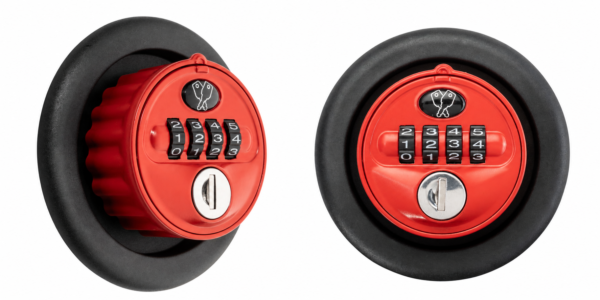
Locks in public spaces must meet anti-tampering requirements outlined in British Standards. Options like combination locks, RFID systems, or electronic keypad locks provide secure solutions for high-traffic environments.
Master Key Control
For leisure centres, schools, or large venues for concerts, using locks compatible with master key systems ensures better management and minimises unauthorised access risks. This enables facility managers to unlock compartments quickly in emergencies or for maintenance.
Locker-Specific Needs
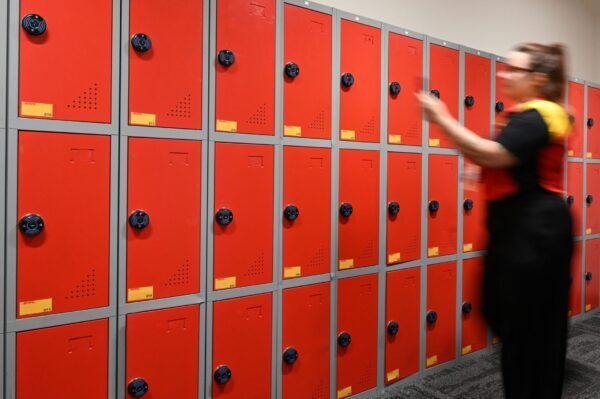
High-traffic hubs, like gyms, often require locks designed for repeated use. Coin-return mechanisms and remote allocated locks work well in these settings. In typically damp locations like swimming pools or shower blocks, the demands of these lockers can be quite unique. Many locks will need to be tested to specific levels of water resistance so that they don’t lose accessibility or security over time.
Locks for Postal Storage Architecture Projects
For postal compartments, particularly in multi-resident buildings or commercial premises, adherence to regulatory guidelines is critical.
Royal Mail Compliance
Mail and parcel lockers must meet Royal Mail standards, which specify security design thresholds. These include durable lock designs, such as 5-pin cylinders, that deter damage or unauthorised duplication.
Technological Integration
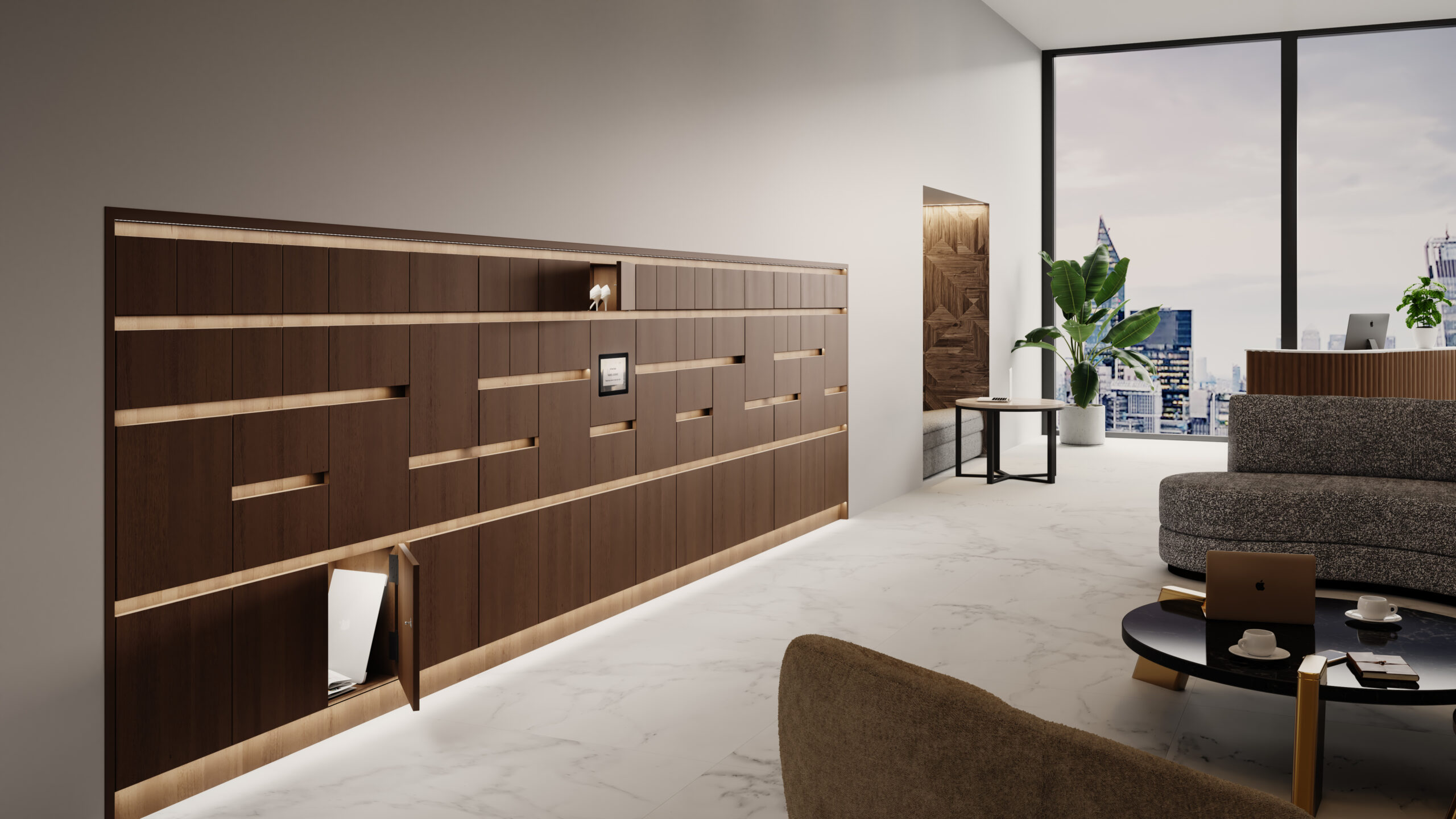
Facilities like residential complexes may incorporate parcel lockers featuring electronic access or PIN-based systems. These allow secure and automated deliveries, reducing reliance on manual operation.
Accessibility Compliance Under the Equality Act 2010
Locks must be usable by everyone, including individuals with disabilities. The Equality Act 2010 mandates accessible design features that are ergonomically friendly and account for varying levels of user dexterity.
For example, one of the key considerations here should be a low level row of lockers in a gym. Current UK guidelines recommend placement between 800mm and 1200mm above floor level.
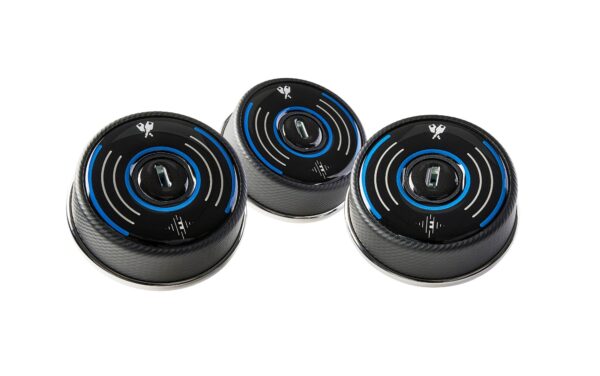
Locks as well should accommodate users with limited mobility or strength so, for example, our ECHO lock – powered by just a smart phone – can be perfect to minimise button presses or lever mechanisms.
Architectural Regulations Guide Lock Design Decisions
Every regulation impacts an architect’s design strategy, much further than just locking systems – we’ve worked with enough architects to know that. Navigating between compliance, cost and unique spaces often involves innovative thinking.
For gyms, selecting high-quality RFID-operated locks balances the need for security, frequent turnover and minimal maintenance. Such locks enhance user experience while resisting the humid environment.
Schools may require a mix of durable keyed systems and electronic master-keyed solutions. This ensures easy monitoring while meeting both strict budgets and security demands.
Public lockers at transport hubs, designed for travelers with mixed abilities, might prioritise American-regulation-inspired lever systems. These designs satisfy accessibility alongside theft deterrence.
Throughout the UK, residential sites increasingly rely on centralised mail storage solutions. Architects need to ensure compatibility with British guidelines alongside modern convenience.
Navigating UK regulations for architectural projects featuring, for example, locker locks, postal compartments and leisure facilities may seem daunting, but it’s achievable by applying the right approach. From meeting British safety and accessibility standards to optimising durability for demanding environments like gyms, the key is finding balance.
Discuss your locking options now.