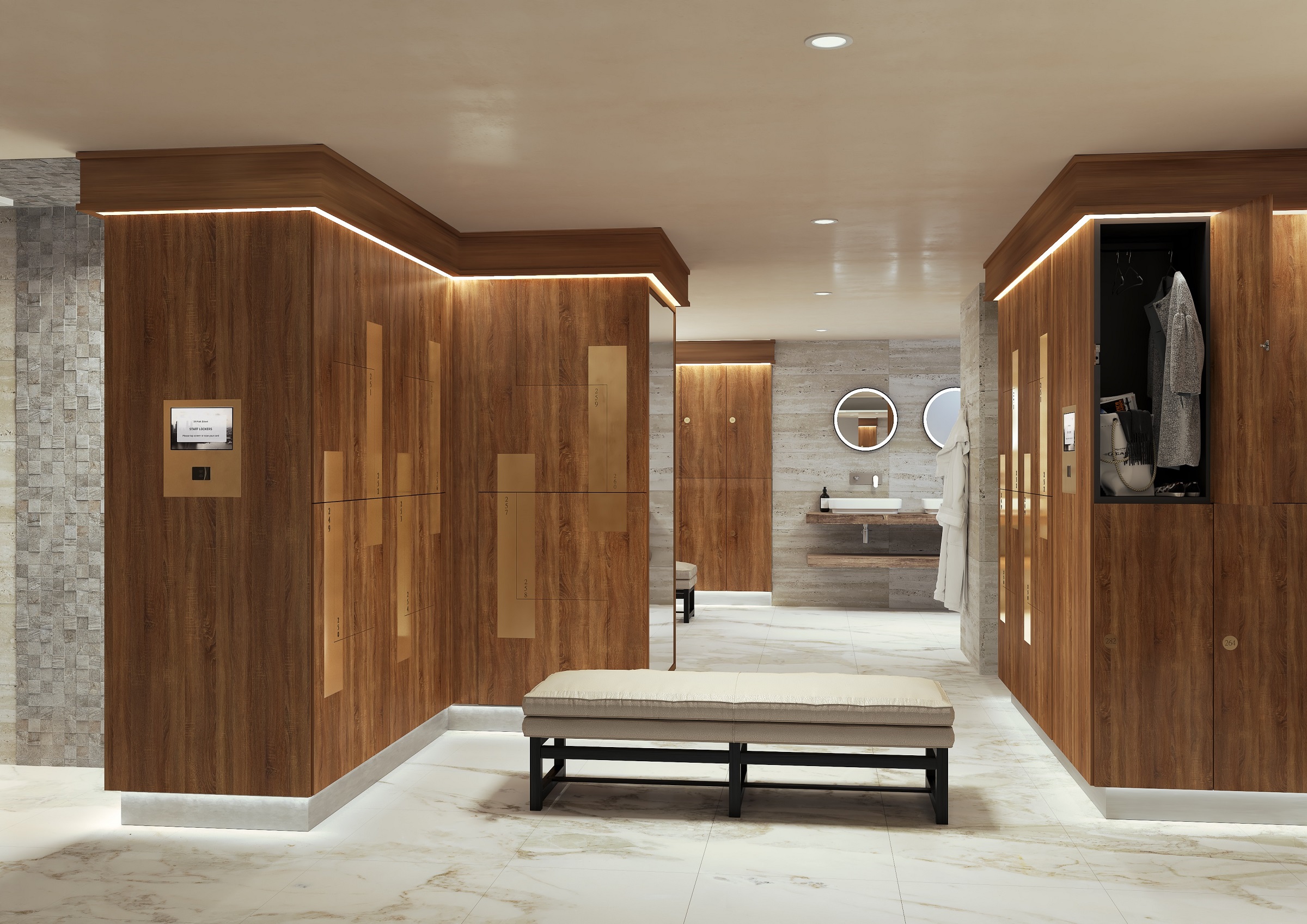
Damp environments such as gyms, spas, swimming pools and wellness facilities bring their own set of security requirements. Here, high footfall and constant exposure to moisture or chlorine challenge both durability and regulatory compliance. UK standards covering security and hygiene make the choice of lock every bit as crucial as locker design or layout.
This guide explores how water resistant combination locks (MCL and DCL) from Lowe & Fletcher meet these demands, helping architects, specifiers and facility managers create secure, user-friendly and regulation-ready damp area storage. Lowe & Fletcher is an expert wet area lock manufacturer with proven history in exceptional locking systems.
Meeting UK Wet Area Lock Regulations and User Expectations
High-traffic and public-facing facilities in the UK must ensure their locking systems satisfy not just end-user convenience and security but also important regulatory frameworks. These include anti-tampering standards (such as British Standards for lockers in schools and public facilities), Duty of Care under the Equality Act 2010 for accessible operation and guidelines from organisations like Royal Mail for postal locks.
Locks for damp areas must:
- Defend against moisture and chemical exposure to prevent rust and maintain accessibility
- Provide tamper-resistance and audit capabilities for safeguarding valuables
- Support master key or remote override for management and emergencies
- Offer options for accessible operation, such as large buttons or contactless entry
- Enable configuration for public or private usage, suitable for both communal and assigned lockers
By investing in water resistant locks designed around these principles, you create resilient locker solutions that are compliant, easy to manage and safer for users.
Water Resistant Locking Technology: Built for UK Challenges
IP65 certification is essential for hardware in wet, chlorinated or humid environments. This rating means complete protection from dust and strong resistance to water jets, meeting UK best practices for both hygiene and product longevity.
Specialist locks for damp environments feature:
- Construction with corrosion-resistant materials for pools and saunas
- Maintenance-friendly designs, minimising unplanned downtime
- Compatibility with both new installations and retrofit upgrades, streamlining compliance for existing projects
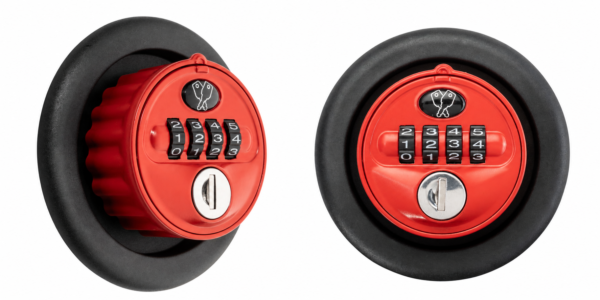
Mechanical Combination Locks (MCL): Robust and Compliant
Mechanical combination locks offer several advantages for secure and regulation-compliant storage:
- Require no power or network connections—ideal for both new and existing facilities
- Available with features like code finding, key override and up to 10,000 code combinations
- Tested anti-tamper design helps fulfil security standards in public or shared areas
- Simple user guidance and no key management reduce operational risks
Best suited for:
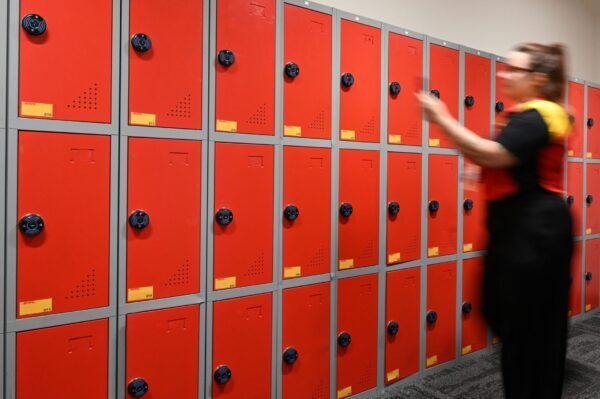
- Community leisure centres, education facilities and budget-conscious sites where reliability and simple operation are top priorities
- Retrofits to standard steel lockers or changing rooms where wiring is not possible
Example:
A council swimming pool replaces ageing lock barrels with robust MCLs featuring code override. Staff meet anti-tamper standards, avoid issues with missing keys and users benefit from easy-to-use locker security.
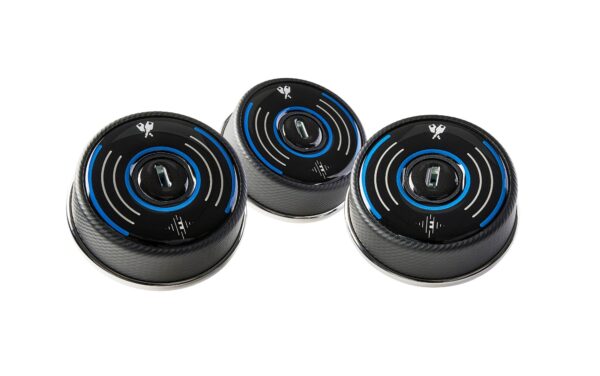
Digital Combination Locks (DCL): Hygiene, Access and Advanced Features
Digital locks bring a new layer of management and hygiene suited to contemporary expectations:
- IP65 rating ensures digital mechanisms tolerate frequent cleaning and steam
- Keypad or RFID options facilitate contactless entry, ideal for high-hygiene areas
- Management override keys or integrated RAS (Remote Allocation System) allow staff to assist users or respond to maintenance without forced entry
- Flexible programming: assign modes for shared, public or private lockers to suit different sectors
- Modern, accessible design features such as larger buttons or compatibility with DDA guidelines
Best suited for:
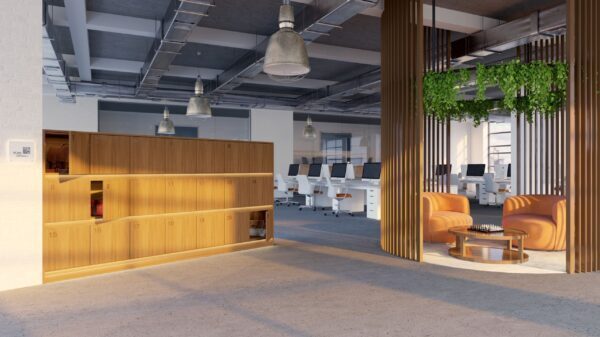
- Sites with large locker estates (gyms, universities, health clubs) looking for centralised control, enhanced user throughput and seamless visitor experience
- Environments where remote access management or rapid code allocation increases operational efficiency
Example:
A multi-site gym operator upgrades lockers to DCLs with remote management. This enables staff to allocate or clear codes remotely, improve hygiene through contactless use and provide emergency access, all while keeping lockers operational during deep cleaning.
Integration and Compliance: Choosing the Right Solution
Whether for a new build, a refurbishment or compliance upgrade, your choice between mechanical and digital water resistant locks depends on operational needs and regulatory obligations:
- Anti-tamper features and audit trails help fulfil British Standard security expectations, especially in schools, public buildings and high-value communal spaces
- Use master key or electronic override to ensure quick response in emergencies or maintenance, without staff having to damage locker doors
When specifying for damp or regulated environments, always:
- Verify the lock’s certification for water resistance and corrosion protection
- Confirm compatibility with locker design, layout and user flows
- Factor in ease of retrofitting to meet changing regulatory guidance or user needs
To maximise safety and user satisfaction while remaining compliant, consult with locking experts and refer to UK industry guidance during specification.
Lowe & Fletcher are trusted throughout the UK for their combination of engineering expertise, regulatory insight and responsive support. Their range of water resistant locks includes mechanical and digital solutions, with proven performance across the leisure, education and commercial sectors.
- Over a century of UK manufacturing and compliance support
- Customisable product range for both public and private sector schemes
- In-house testing to ensure IP65 and anti-corrosion standards
- Expert advice for planning, specification and technical integration