For decades, locking systems were treated as a largely operational detail in facility management, specified once, installed and rarely revisited unless something failed. That mindset is changing rapidly. Today, locking systems sit at a pivotal intersection of security, compliance, operational efficiency and risk management, making them a strategic concern for facility managers and procurement teams alike.
As facilities grow more complex and expectations around accountability, auditability and resilience increase, the future of locking systems is no longer just about keeping doors and enclosures secure. It is about enabling safer operations, supporting compliance and future proofing infrastructure without unnecessary disruption.
For organisations managing commercial buildings, industrial sites, public sector estates or large scale storage and enclosure environments, understanding where locking technology is heading and how to adopt it pragmatically, has never been more important.
Why Locking Systems Are Now a Strategic Facility Management Issue
Modern facility management security is shaped by pressures that simply did not exist a decade ago:
- Larger and more distributed estates
- Increased regulatory scrutiny and duty of care obligations
- Hybrid working and flexible occupancy models
- Heightened focus on asset protection and operational continuity
- Ageing infrastructure combined with constrained budgets
In this context, locking systems play a critical role in controlling access not only to buildings, but also to cabinets, lockers, plant enclosures, server racks and high value storage. Failures or limitations at this level can expose organisations to security breaches, compliance issues and operational downtime.
In short, this means that locking hardware is no longer just a physical barrier, it is a critical part of the wider access ecosystem.
Current Challenges in Facility Management Security
Managing Scale Without Losing Control
As facilities expand, manual key management becomes increasingly difficult to govern. Lost keys, unauthorised duplication and unclear access introduce risk that is hard to measure and even harder to audit.
Legacy Systems and Infrastructure Constraints
Many UK facilities rely on traditional mechanical locks that are still functional but disconnected from modern access control systems. Replacing them wholesale is often impractical, disruptive or cost-prohibitive, particularly in live operational environments.
Compliance, Accountability and Audit Requirements
Public sector organisations, critical infrastructure operators and regulated industries increasingly require clear audit trails showing who accessed what, when and why. Traditional locking alone struggles to meet these expectations without additional processes layered on top.
Operational Risk and Downtime
A single lock failure on a critical enclosure or access point can halt operations, delay maintenance or create safety risks. Reliability and long term performance are therefore as important as security itself.
Mechanical vs Electronic Locks: A Balanced Perspective
The discussion around mechanical vs electronic locks is often framed as a choice between old and new. In reality, the future lies in using the right solution for the right application and increasingly, in combining both.
The Enduring Value of Mechanical Locking
High quality mechanical locks remain indispensable across many facility environments. Their advantages include:
- Proven durability and long service life
- No dependency on power or network connectivity
- High resistance to harsh industrial conditions
- Predictable performance with minimal maintenance
In plant rooms, industrial enclosures, lockers and cabinets, mechanical locking continues to deliver engineered confidence where simplicity and resilience are paramount.
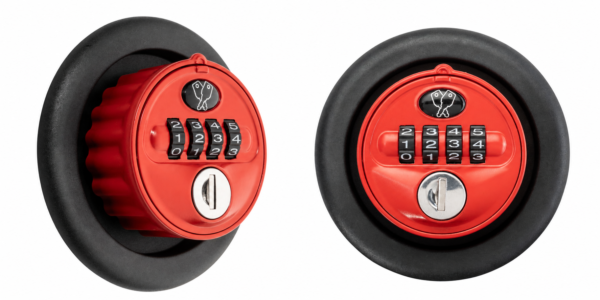
Innovative Electronic and Smart Locking
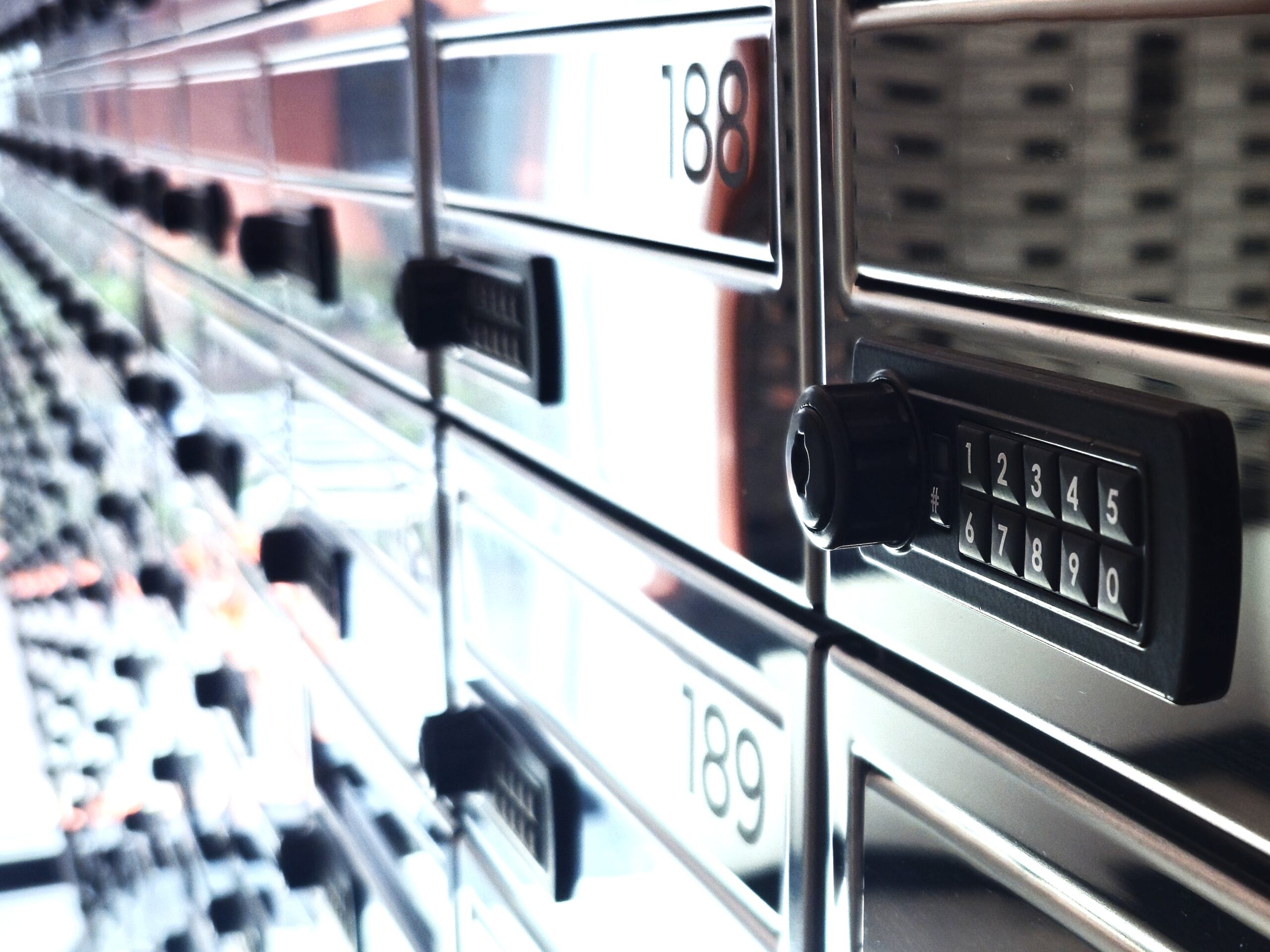
Electronic locking systems introduce capabilities that mechanical solutions cannot offer alone:
- Controlled access without physical keys
- Time and role based permissions
- Audit trails for compliance and investigations
- Integration with wider building access security systems
In the UK market, smart locking systems are increasingly used to secure shared assets, sensitive storage and environments where accountability is critical.
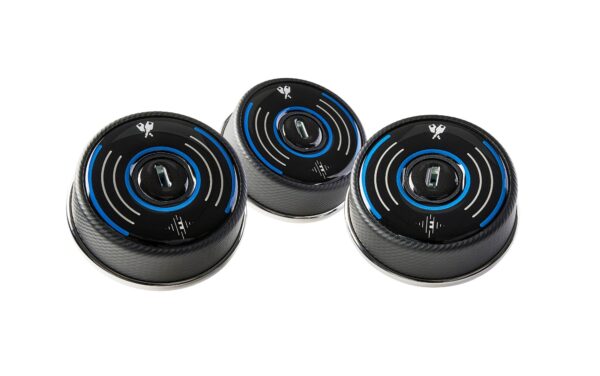
Lowe & Fletcher’s smart locking systems reflect this shift, offering electronic solutions designed specifically for industrial and commercial applications rather than consumer-grade convenience.
Hybrid Security Strategies
For most large facilities, the question is not mechanical or electronic, but how to combine both intelligently. Hybrid strategies allow organisations to:
- Retain reliable mechanical systems where they work best
- Introduce electronic access control where oversight and auditability add value
- Upgrade incrementally rather than through disruptive wholesale replacement programmes
This approach supports operational continuity while creating a pathway to future capabilities.
Access Control Trends Shaping the UK Market
Several access control trends in the UK are influencing how facility managers think about locking systems.
Auditability as a Baseline Expectation
Electronic and smart locks are increasingly specified not for convenience, but for traceability. Being able to demonstrate who accessed a cabinet, locker or enclosure and when, supports compliance, incident response and governance.
Integration Over Isolation
Locking systems are no longer standalone components. Decision makers are prioritising solutions that integrate smoothly with existing access control platforms, credentials and management systems, rather than creating parallel infrastructures.
Resilience and Fail Safe Design
As facilities become more connected, resilience becomes critical. Electronic locking must be designed to fail safely, maintain security during outages and coexist with mechanical overrides where appropriate.
Scalability Without Complexity
UK facilities often evolve over decades. Locking systems must scale across sites, buildings and use cases without becoming unmanageable or overly complex to maintain.
Retrofit Locking Solutions
One of the most important considerations for UK organisations is retrofit capability. Very few facilities have the luxury of starting from a blank sheet.
Real World Applications
Changes in user expectation and behaviour are also influencing how facility managers think about locking systems.
Commercial Buildings and Multi-Use Developments
In shared environments, smart locking supports flexible access for tenants, contractors and service teams while maintaining clear accountability. Mechanical locking remains valuable for plant rooms and low risk areas where simplicity is preferred.
Industrial Sites and Manufacturing Facilities
Industrial environments demand industrial security hardware that withstands vibration, dust, moisture and frequent use. Mechanical locks continue to perform reliably, while electronic solutions enhance control over high-value assets, tools and control panels.
Public-Sector and Infrastructure Facilities
Public-sector estates often combine ageing infrastructure with stringent compliance requirements. Hybrid locking strategies allow organisations to enhance auditability and security without wholesale replacement, a critical consideration for budget-conscious teams.
Large Scale Storage, Lockers and Secure Enclosures
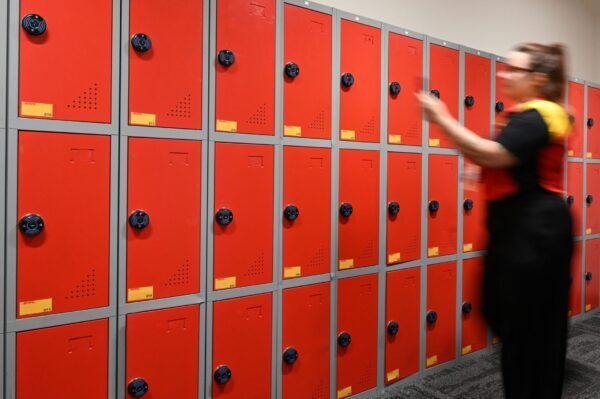
From staff lockers to secure enclosure systems for IT, medical or utility equipment, locking performance directly affects day to day operations. Long lifecycle value and reliability are essential, particularly where access is frequent and failure is not an option.
Speak To Our Team
Future Proofing Facility Security
Looking ahead, the future of locking systems in facility management will be defined less by technology hype and more by thoughtful, risk aware decision-making.
Decision makers should ask:
- Does this solution integrate with what we already have?
- Can it evolve as our access requirements change?
- Is it designed for long-term performance in real conditions?
- Does the manufacturer understand our operational environment?
Future proofing is not about installing the most advanced system available today, it is about choosing solutions that will remain reliable, adaptable and supported over time.
A Long Term Security Partner
As facilities navigate the transition from traditional mechanical locking to intelligent access control, the role of the manufacturer becomes increasingly important.
Lowe & Fletcher UK combines:
- Engineered confidence through robust design and in-house manufacturing expertise
- Integration ease with retrofit capable solutions that respect existing infrastructure
- Long term performance built on durability, reliability and lifecycle value
By offering both mechanical and electronic locking solutions and understanding how they work together, Lowe & Fletcher supports facility managers in making informed, future ready security decisions.
For organisations seeking a pragmatic, resilient approach to building access security and industrial locking, partnering with a manufacturer that understands both the past and the future of locking systems is a strategic advantage.
CONTACT FORM