In architecture and design, every detail matters. From the sweeping curve of a roofline to the subtle colours and textures of a floor tile, your specifications bring a vision to life. Yet some of the most critical components are often the most overlooked, such as locking systems. They are the unseen yet integral parts of a building, ensuring security, functionality and compliance whilst maintaining aesthetics.
For design professionals, knowing how to specify locking systems is not just a technical necessity. A poorly specified lock can lead to security vulnerabilities, frustrated users, maintenance nightmares and costly repairs. A well-specified system, on the other hand, enhances the user experience, protects assets and fulfils design intent flawlessly.
Whether you’re an architect focused on form and function, a designer curating an interior experience, or a specifier ensuring technical perfection, discover the different locking system specifications and how they will provide the framework you need to make informed, confident decisions.
Understanding Locking Systems
The first step is to move beyond thinking about a lock as a single product. Instead, view it as a system with interconnected parts:
- Hardware – The physical components, such as levers, knobs, escutcheons, barrels, strikes and door closers.
- Access control – The method of granting entry, such as mechanical locks and keys, electronic keypads, card readers, mobile credentials or biometrics.
- Integration – How the locking system communicates with other building systems like alarms, HVAC and building management systems.
- Management – The software and processes behind the system for issuing credentials, auditing access and managing permissions.
Your specification must consider all these elements to create a cohesive and effective solution.
The Specifier’s Roadmap: A 6-Step Framework for Success
How do specifiers choose what locks to use? It’s a methodical process of asking the right questions and aligning the answers with each product’s capabilities.
Step 1: Define the Purpose and Traffic Flow
The function of the enclosure or furniture is the primary informer of the lock type needed.
- Interior vs. exterior – Exterior applications require higher security, durability and weather resistance. Interior furniture and enclosures prioritise smooth operation and aesthetics.
- Traffic volume – Is it a low-traffic private office or a high-traffic public space? High-traffic areas require commercial-grade hardware.
- User profile – Who uses the lock? Employees, the public, patients, students? Consider physical ability, security clearance and the need for hands-free operation (e.g in healthcare settings).
Step 2: Establish the Security Level
Not all applications require maximum security. Over-specifying can blow the budget, and under-specifying creates risk. Security is typically graded:
- Grade 1 (commercial and industrial) – The highest security. Withstands prolonged attack attempts. Mandatory for sensitive areas and high-risk applications.
- Grade 2 (heavy commercial and residential) – Balanced security for most general-use like office furniture, classrooms and apartment building common areas.
- Grade 3 (residential and light commercial) – Basic security for interior applications, storage rooms, office furniture locks and low-risk residential uses.
Step 3: Navigate Building Regulations and Compliance
This is non-negotiable. Your locking system specification must adhere to a framework of UK Building Regulations and British Standards:
Life Safety (Part B: Fire Safety)
The most critical rule is the means of escape. In a fire, occupants must be able to exit immediately without special knowledge, keys or tools. Approved Document B mandates that final exit doors on escape routes must be openable from the inside without the use of a key. This often requires panic hardware (push bars) or emergency exit locks (mechanisms that are permanently unlocked from the inside, often with a simple turn or push action) on designated fire exits. These devices are rigorously tested to standards like BS EN 1125 (for panic bars) and BS EN 179 (for emergency exit devices).
Accessibility (Part M: Access to and Use of Buildings)
Hardware must be easy to operate for all users. Approved Document M promotes the use of lever handles over knobs, as they are operable with one hand without tight grasping, pinching, or twisting of the wrist. While a specific maximum operating force is not defined in the regulations as it is in other regions, best practice and the Equality Act 2010 demand that hardware is usable by people with limited strength or mobility.
Fire Ratings
Fire-rated assemblies (e.g FD30, FD60) require compatible fire-rated hardware to maintain the assembly’s integrity and prevent the spread of fire and smoke. All hardware on a fire door must be CE/UKCA marked and have been tested to prove its suitability for use on fire doors. Look for evidence of testing to BS EN 1634-1 and certification from recognised bodies like the British Woodworking Federation (BWF) Certifire Scheme or other UKAS-accredited testing laboratories.
Step 4: Choose the Access Control Methodology
This is where locking solutions for designers get interesting, blending technology with user experience.
- Mechanical keying – The traditional approach is mechanical locks. For large facilities, consider implementing a master key system for hierarchical access control. While cost-effective, key management is a logistical challenge if keys are lost or copied.
- Electronic Access Control (EAC) – The modern standard for flexible, auditable security is smart locks. Options include:
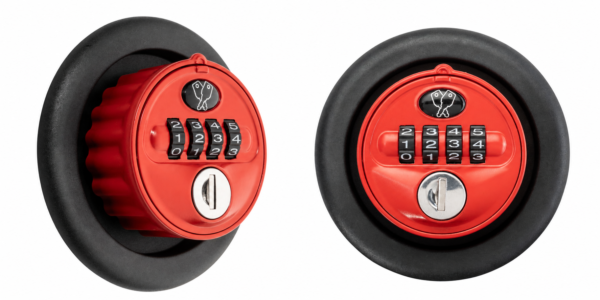
- Keypad locks – Users enter a PIN code. No credentials to carry.
- Card reader systems – Use RFID or proximity cards. Ideal for large organisations as it’s easy to grant and revoke access.
- Mobile access – Users gain entry via a smartphone app (Bluetooth or NFC). Perfect for modern workplaces, hotels and short-term rentals.
- Biometrics – Fingerprint or facial recognition scanners offer high security, but at a higher cost.
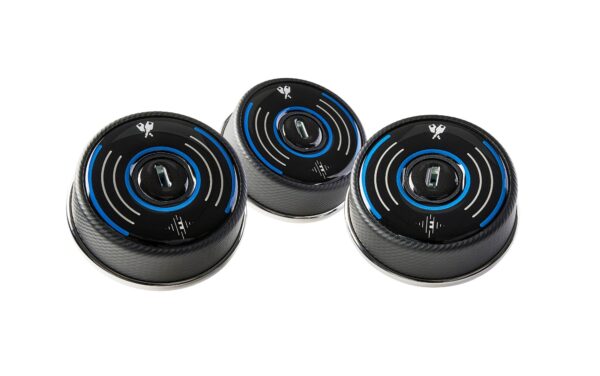
Consider power requirements – do you need a wired, battery-operated or even a batteryless system like ECHO? Network connectivity and the desired level of audit trail are also requirements to keep in mind.
Step 5: Curate the Aesthetic
Locking solutions for architects and designers must be beautiful as well as functional. The hardware serves as a tactile point of contact that significantly influences the perceived quality of the entire space.
- Finish – Specify a finish that complements interior materials, wall colour and other hardware (e.g hinges, closers). Popular architectural finishes include Satin Chrome, Matt Black and Brushed Brass.
- Design – Choose a design and escutcheon profile that aligns with the project’s aesthetic.
- Materials – Zinc and stainless steel offer superior durability and feel compared to cast materials.
Step 6: Plan for Integration and Future-Proofing
The best specifications look to the future. Consider:
- System integration – Can the electronic locks integrate with the building’s security video system? Can they trigger an alarm if held open too long? Specify systems that use open protocols for better compatibility between manufacturers.
- Scalability – If this is a phased project, specify a system that can easily expand. Can you add locks and users without replacing the entire infrastructure?
- Cybersecurity – For networked systems, cybersecurity is paramount. Enquire about data encryption and secure boot processes.
Common Pitfalls to Avoid
The common pitfalls to avoid when specifying a locking system for your project include:
- Ignoring maintenance – Specify hardware that facilities staff can easily maintain. Consider the availability of replacement parts.
- Mixing incompatible brands – Hinges, closers and locks from different manufacturers may not work well together.
- Forgetting about durability – Always specify the correct grade for the application.
- Under-communicating with stakeholders – Collaborate early with the client, security consultant, facilities manager and door or frame supplier. Their input is invaluable.
Specifying locking systems is an important responsibility that balances art and science. By following a structured approach, you can provide your clients with locking solutions for specifiers that are secure, compliant, beautiful and built to last.
Do you need a locking system for your next building project? Talk to one of our experts before specifying locking systems for your next project.
Speak to us about locking systems
FAQs
What is the most important first step when specifying a locking system?
The most critical first step is to thoroughly understand the door’s purpose, location and amount of user traffic. Is it a main entrance, an internal office or a secure server room? Is it for public use, private staff or vulnerable individuals? Defining this context informs the required security grade, accessibility needs and product durability, ensuring the specified solution is fit for purpose from the outset.
When should I specify mechanical locks versus electronic access control systems?
The choice depends on the need for security, audit trails and flexibility:
- Specify mechanical locks – For low-risk areas, private rooms, or when the budget is limited. They are reliable and have no power requirements but offer no digital audit trail and keys can be copied or lost.
- Specify electronic access control – For main entrances, high-security areas or where access permissions change frequently (e.g offices and multi-tenant buildings). They provide a digital audit trail, allow for easy access revocation and can integrate with other security systems. They require power and usually a higher initial investment.
As an architect, how do I balance aesthetic design with security and compliance requirements?
This is a common challenge. Most leading lock hardware brands offer a range of architectural products, including lever handles, pull handles and escutcheons, in various designs and finishes that are certified to high security and fire ratings. You can achieve a specific aesthetic without compromising on compliance by selecting products that are tested and certified to meet the necessary UK standards (like BS EN 1634-1 for fire). However, never sacrifice a required performance standard for pure aesthetics.